
Basement water problems rarely stem from just one cause. Moisture can work its way in through surface runoff, poor grading, clogged or undersized drainage systems, foundation seepage, plumbing leaks, or even simple condensation on cool surfaces. Because so many factors are often at play, homeowners frequently find that no single fix solves everything. A sump pump can remove groundwater that’s already collected in a basin, but that’s only part of the solution. Once you’ve gotten a handle on the source and volume of water affecting your basement, it’s worth comparing basement sump pump options to see how different setups handle varying water loads. This article takes a broader view: keeping water from entering in the first place is generally more reliable than relying on a pump alone to remove it after it’s already inside.
Identify the Source of the Water
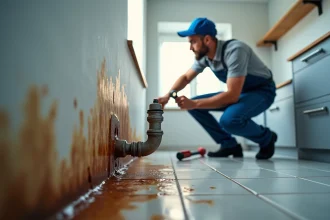
Before settling on a solution, it helps to figure out where the moisture is actually coming from. Common culprits include cracks in walls or floors, water pooling near the foundation, overflowing gutters, condensation on cool surfaces, and leaking pipes or appliances. Keeping track of when and where dampness shows up—along with the weather conditions and how long water lingers—can reveal useful patterns. A basement that only gets wet after heavy storms likely has an exterior drainage problem, whereas one that stays humid year-round regardless of rainfall may be dealing with condensation, a plumbing leak, or rising groundwater. Installing a pump won’t necessarily fix every type of moisture issue, so pinning down the cause first can save both time and money.
Improve Drainage Around the Foundation
Many basement problems actually start above ground. Keeping gutters clear, extending downspouts well away from the foundation, and maintaining grading that slopes away from the house all go a long way toward reducing how much water reaches the foundation walls in the first place. Low spots where water tends to collect beside the foundation should be filled in and regraded. Keep in mind that local regulations may also dictate where downspouts and sump discharge lines are allowed to release water. Foundation drainage systems—perforated footing drains, drainage gravel, filter fabric, and interior or exterior channels—work together to redirect water before it ever penetrates the structure. The right combination depends on soil conditions, foundation type, groundwater levels, and local building codes. The U.S. Environmental Protection Agency offers general guidance on grading, drainage materials, and moisture control that homeowners may find helpful when sorting through these principles.
Understand the Role and Limits of a Sump Pump
A sump pump works by collecting water in a basin, where a float or sensor triggers the pump to send that water through a discharge pipe and away from the home. A sump pump is not a complete waterproofing system. It can handle water that makes it into the basin, but it won’t fix defective gutters, cracked foundations, poor grading, or serious flooding coming from outside. It also may not run at all during a power outage unless there’s backup power in place. When evaluating a system, it’s worth weighing expected water volume, pump capacity, basin size, discharge routing, check-valve setup, and electrical requirements.
Key takeaway: a sump pump is one piece of a larger drainage system, not a substitute for controlling water at its source.
Plan for Power Failure
Heavy storms often bring a double risk—more water intrusion and a higher chance of losing power at the same time. Plan for power failure by considering a secondary pump, battery backup, generator-supported power, or a high-water alarm with clear warning indicators. Battery backups have limited run times and require regular testing, plus eventual replacement. Generator installations need to meet electrical-safety requirements and should be evaluated by a qualified professional. Whatever backup system you choose, make sure it’s compatible with your existing basin, discharge line, and primary pump. The Federal Emergency Management Agency notes that power loss, pump failure, and excessive inflow are common contributors to basement flooding—so no backup system can guarantee complete prevention.
Control Both Liquid Water and Indoor Humidity
Not all basement moisture shows up as liquid water. Control both liquid water and indoor humidity by using a properly sized dehumidifier, improving air circulation, insulating cold water pipes, and repairing leaks promptly. An airtight sump-basin cover can help too. Watch for signs of condensation like moisture on pipes, dampness on cool walls, and musty odors even when there’s no visible water entry. Reducing water vapor doesn’t just support better indoor air quality—it also helps limit mold growth, even in spaces where standing water is never an issue.
Create a Practical Inspection and Maintenance Routine
Routine maintenance goes a long way toward catching problems early. Periodically check for debris in the basin, obstructions in the intake, kinks in the discharge pipe, and proper float movement. Test the pump by adding water according to manufacturer instructions, and confirm the discharge water actually flows away from the foundation rather than back toward it. Seasonal checks should cover gutters, grading, foundation walls, backup power, and alarms. It’s worth remembering that a pump can pass a basin test and still fail during real rainfall if its discharge line is blocked or disconnected outside—so inspect the whole path, not just the pump itself.
Know When Professional Assessment Is Appropriate
Some situations call for an expert’s eye: repeated flooding despite a working pump, widening cracks, structural movement, sewage contamination, water near electrical equipment, or persistent musty odors. Depending on the issue, that might mean bringing in a licensed plumber, waterproofing specialist, structural engineer, electrician, or indoor-air professional. Whoever you hire, verify licensing and insurance, request a written scope of work, and ask them to explain the suspected cause before signing off on any repairs.
Build a Layered Moisture-Protection Plan
Effective basement protection follows a logical sequence: find the source, improve exterior drainage, correct foundation or plumbing defects, use a properly designed pumping system where needed, prepare for power loss, manage indoor humidity, and keep every component maintained. Inspect your basement during dry weather, document any vulnerabilities you find, and tackle the highest-risk problem first—since no single product or method works for every property.